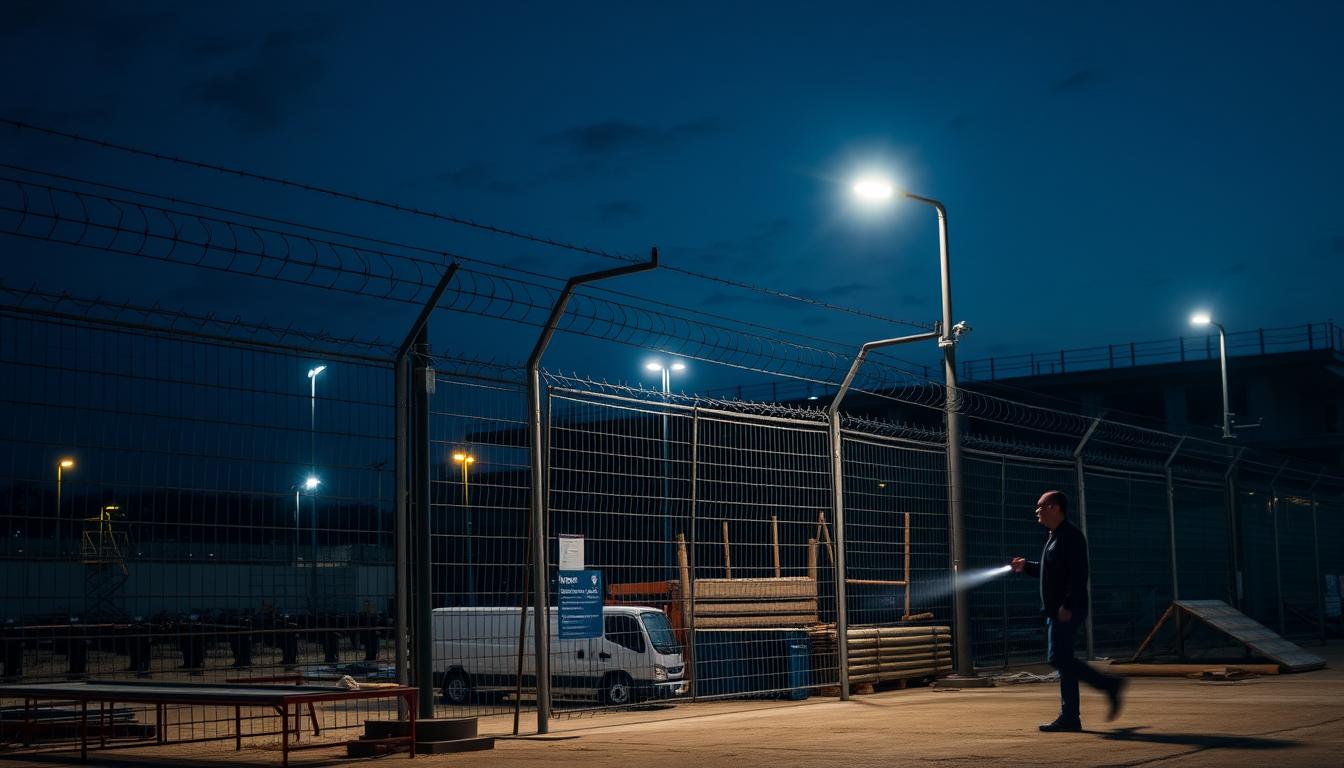
Construction sites can contain valuable equipment and materials while their boundaries, workforce and access routes change repeatedly. That combination can create opportunities for theft if security instructions fail to keep pace with the work.
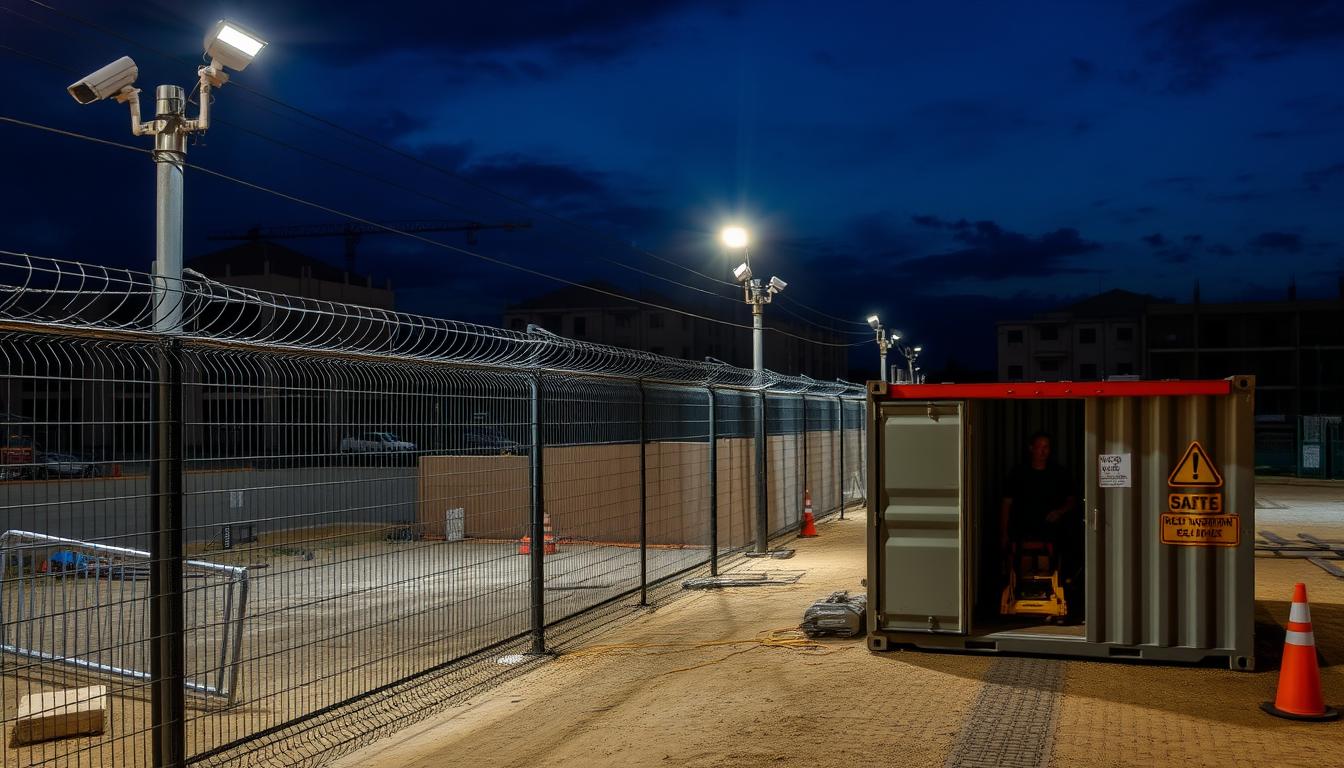
Changing boundaries and access
Fences move, gates open for deliveries and temporary routes appear. An earlier security plan may no longer cover the way people and vehicles enter. Review boundaries and permissions when the project moves to a new phase.
Tools, plant and materials
Portable tools, stored materials and unattended plant need suitable protection and records. Identify what remains on site overnight, who controls keys and who authorises removal. An asset inventory helps identify discrepancies and supports investigation.
Contractor turnover and deliveries
A changing workforce makes clear authorisation particularly useful. Agree arrival procedures, unexpected-delivery checks and how permissions are withdrawn when a contractor leaves. Do not assume an unfamiliar person has permission simply because they appear to know the site.
Closures and limited observation
Weekend and holiday closures can leave problems undiscovered for longer. Decide whether the risk calls for continuous guarding, periodic visits or camera monitoring with an agreed response. These measures provide different types of cover.
Assess your own exposure
- Which assets remain on site, and where?
- Which gates or boundary sections are difficult to observe?
- Who can approve access or equipment removal?
- What happens if an alarm activates overnight?
- Who checks that an incident or fault has been resolved?
A specific assessment is more useful than applying a broad industry loss figure to every project. Avoid assuming that a camera or fence removes all risk.
Turn the assessment into a plan
Use our seven construction theft-prevention checks to translate findings into actions. Assign an owner to repairs, records and access decisions, and review the plan after changes or incidents.
Discuss construction cover